Web Development
Next.js SEO for Service Business Websites
A practical Next.js SEO guide for service websites covering metadata, sitemaps, schema, speed, content rendering, and conversion tracking.
By Tayyiba Suleman - Published July 28, 2026 - Updated July 28, 2026 - 3 min read
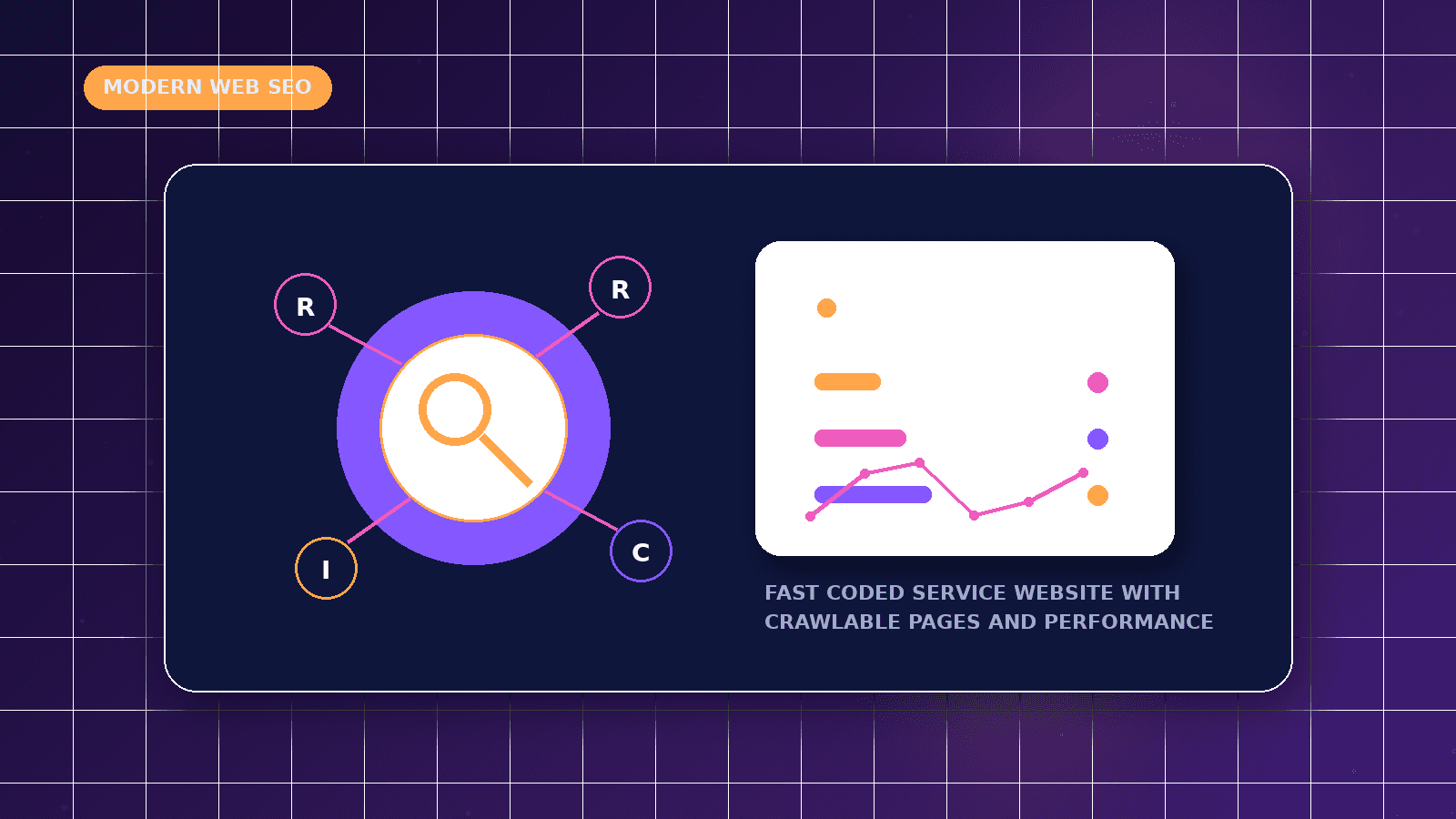
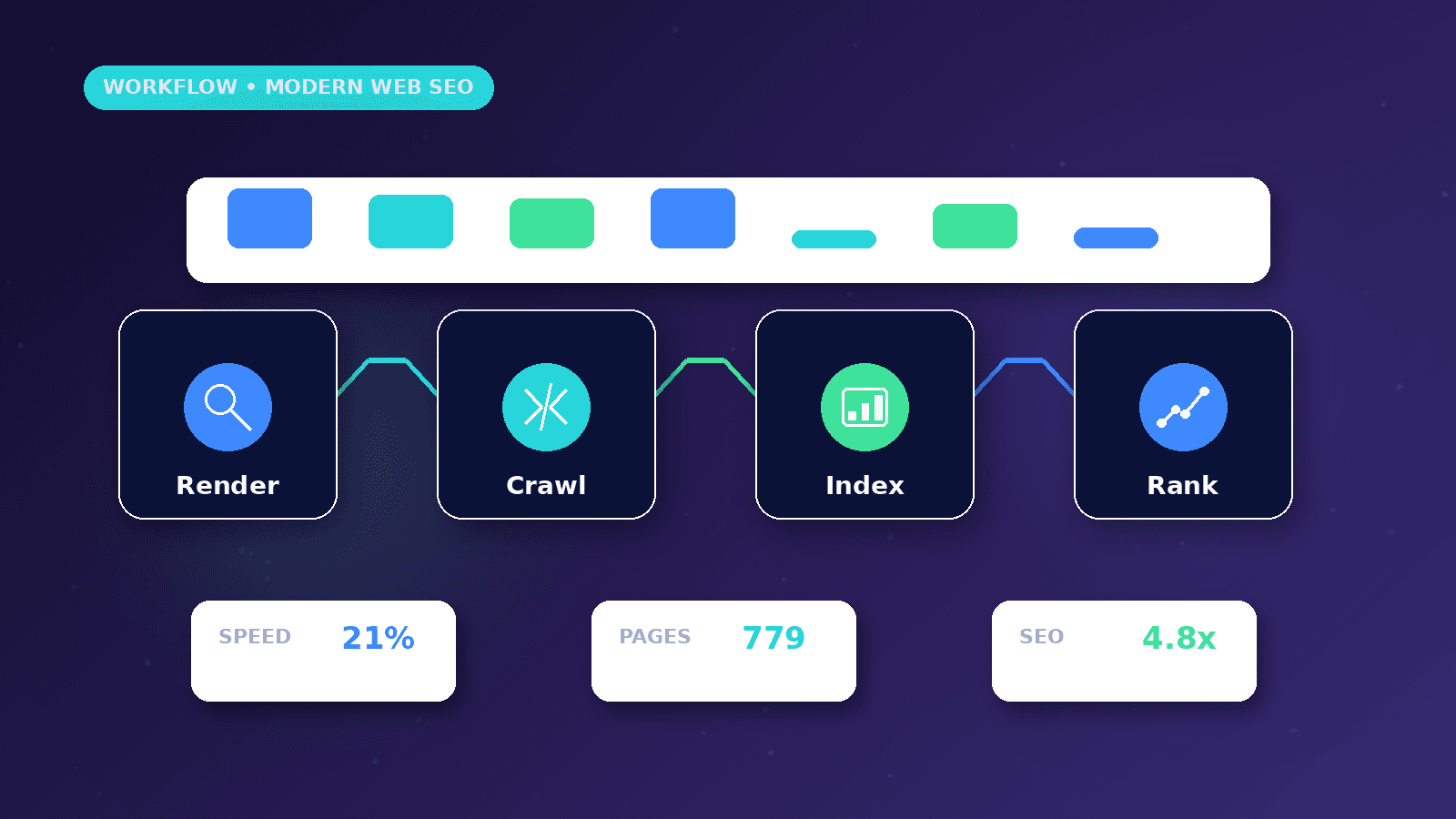
Next.js can be a strong platform for service business websites when SEO is planned from the start. The important work is not only choosing a framework. It is building crawlable pages, useful service content, fast mobile layouts, structured metadata, clean internal links, and reliable conversion tracking.
Reader outcome: Plan a search-friendly Next.js service website. This article is educational, uses safe CurrentReach AI-owned visuals, and labels illustrative examples where they appear.
How this guide was prepared
This article is written for CurrentReach AI readers using service-planning experience, website implementation patterns, SEO checks, automation workflow review, and practical measurement considerations. It is not copied from a third-party report or generated from private account data.
Reviews structure, mobile usability, performance and conversion paths.
Connects website decisions with SEO, trust and lead follow-up.
Avoids cosmetic-only redesign advice that does not improve user experience.
Crawlable content and routing
Important service pages should have stable URLs, visible content, and internal links from navigation, service hubs, blogs, and CTAs.
Avoid relying on client-only rendering for core headings, service descriptions, FAQs, and contact information.
Use production canonical URLs and keep preview domains out of metadata, sitemap, and RSS feeds.
Metadata and structured data
Each important page needs a clear title, meta description, Open Graph data, and canonical URL.
Use Organization, Person, Service, BlogPosting, FAQPage, and BreadcrumbList schema only when the visible content supports it.
Do not add fake ratings, fake prices, unsupported reviews, or misleading business details.
Sitemaps, robots and RSS
Generate sitemaps from the same source of truth as the website content so new pages are not forgotten.
Robots rules should allow public content and keep private dashboard, login, and internal routes out of search results where appropriate.
RSS can help resource content stay discoverable for readers and tools.
Performance and Core Web Vitals
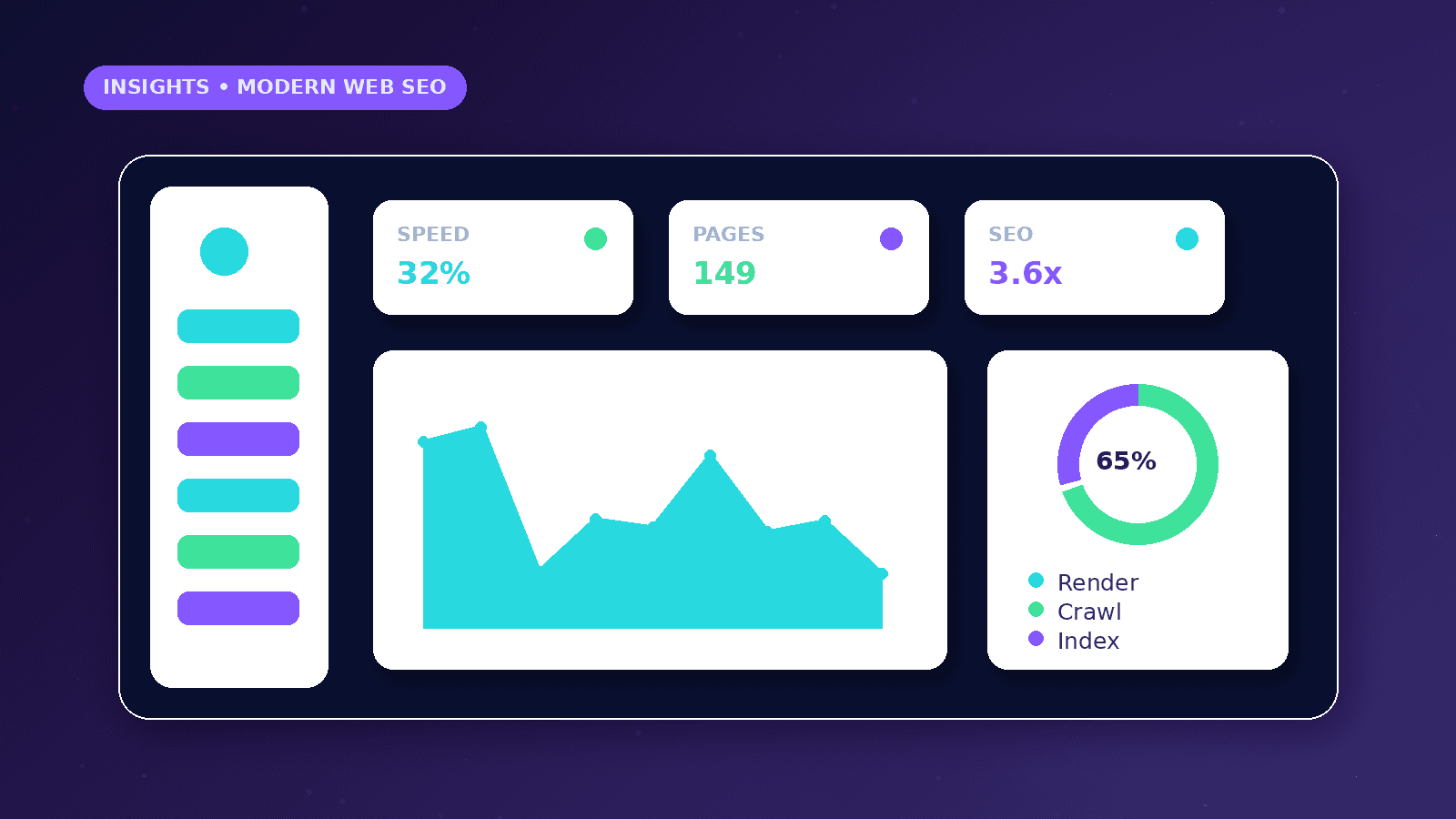
Optimize images, avoid unnecessary JavaScript, reserve layout space, and test real mobile pages.
Animation should support the experience without delaying the main content or creating layout shifts.
Measure LCP, INP, and CLS on important pages such as homepage, services, pricing, booking, and contact.
Conversion tracking
Track meaningful actions such as form submissions, WhatsApp clicks, email clicks, phone clicks, and booking requests.
Do not send names, emails, phone numbers, or private messages to GA4.
Server-side form handling should confirm lead notification before the frontend fires generate_lead.
Practical checklist
- Stable URLs
- Unique metadata
- Canonical domain
- Generated sitemap
- Robots rules
- Schema
- Fast images
- Mobile UX
- Internal links
- Conversion events
Image sources
- nextjs-seo-for-service-business-websites/featured-image.png: Original CurrentReach AI blog image pack. License: Owned generated visual. No private data present.
FAQs
Is Next.js better than WordPress for SEO?
Either can work. Next.js gives strong control over performance and structure, but SEO still depends on content quality, metadata, internal links, and maintenance.
Should blogs be static or dynamic in Next.js?
Both can work. The key is that canonical URLs, sitemap entries, RSS items, and rendered content stay consistent.
Can CurrentReach AI build a Next.js business website?
Yes. CurrentReach AI supports responsive websites, landing pages, service hubs, dashboards, and API-connected web systems.
Need help applying this?
Need practical help with Web Development? CurrentReach AI can help scope the work, implement carefully and measure what changes after launch.
Related guides
About the author
Tayyiba Suleman is Web Developer and Automation Developer. Articles are reviewed against the Editorial Policy and should be read with the Content Disclaimer.